
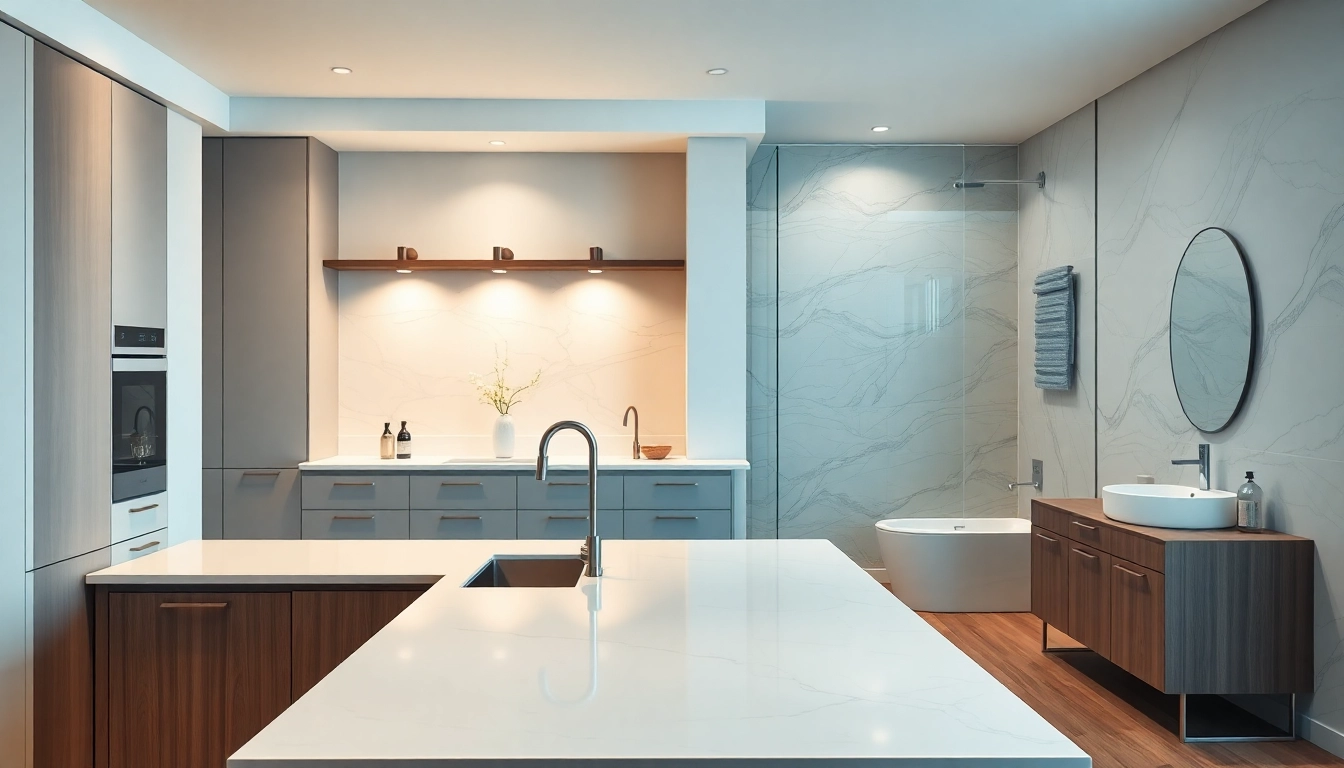
Elevate Your Space with Expert Kitchen and Bathroom Renovation Tips
Understanding the Importance of Kitchen and Bathroom Renovation
Your kitchen and bathroom are among the most utilized spaces in your home, where functionality meets style. These areas not only serve critical daily needs but also significantly influence the overall appeal and marketability of your property. Whether you’re planning to sell or simply want to enhance your living experience, the impact of a kitchen and bathroom renovation cannot be overstated. This guide will delve deep into the transformative potential of these renovations, giving you insight and actionable steps for a successful upgrade.
Why Prioritize Your Kitchen and Bathroom?
Homeowners often overlook the kitchen and bathroom in favor of more visible areas like living rooms or bedrooms. However, these spaces are essential in daily routines and significantly contribute to the home’s functionality. An efficient kitchen allows for smooth meal preparation and family interaction, while a well-designed bathroom can become a personal retreat for relaxation.
The Impact on Home Value
Statistics show that kitchen and bathroom renovations yield some of the highest returns on investment (ROI). An outdated kitchen can deter potential buyers, while modern, stylish bathrooms can elevate the perceived value of a home. Studies indicate that a modest kitchen remodel typically recoups about 80% of the initial investment upon resale. Thus, renovations in these areas can drastically enhance your home’s marketability, particularly when appealing to first-time buyers.
Common Challenges in Renovation Projects
Despite the benefits, kitchen and bathroom renovations can present complicating challenges. Issues such as budget overruns, unexpected structural problems, and lengthy timelines can dampen the renovation experience. Additionally, homeowners may struggle with decision fatigue due to the multitude of design options available. By understanding these common pitfalls, you can prepare adequately and mitigate potential stressors associated with your renovation project.
Essential Planning Steps for Successful Renovation
Assessing Your Needs and Goals
The first step in any renovation is understanding your specific needs and long-term goals. Are you looking to increase functionality, enhance aesthetics, or both? Make a list of must-haves versus nice-to-haves to narrow your focus. Involve all family members to ensure that everyone’s needs are considered, particularly in communal spaces like kitchens and bathrooms where multiple users intersect.
Setting a Realistic Budget
Your budget will ultimately dictate the scope and scale of your renovation. Begin with a financial assessment, identifying how much you can comfortably spend without compromising your day-to-day finances. Include a contingency fund of around 10-20% of your total budget to cover unexpected expenses. By planning your budget carefully, you can achieve your renovation goals without the stress of financial strain.
Choosing the Right Design Elements
The aesthetic choices you make during renovation are crucial. Consider factors such as color schemes, lighting, fixtures, and materials that complement the overall design of your home. Using mood boards can help visualize the combination of elements. Consult with design professionals if needed, especially if you’re considering complex installs, like custom cabinetry or unique tile patterns.
Popular Trends in Kitchen and Bathroom Renovation
Innovative Styles and Designs
Current kitchen designs often feature open layouts that integrate living spaces, fostering interaction. Similarly, trendsetting bathrooms feature spa-like atmospheres with soaking tubs and glass showers. Incorporating natural elements, such as stone countertops and wood accents, evokes a sense of tranquility while offering modern functionality.
Eco-friendly Choices
As sustainability becomes increasingly important, many homeowners are opting for eco-friendly materials and practices. This includes choosing recycled materials, energy-efficient appliances, and fixtures that reduce water consumption. Not only do these choices diminish environmental impact, but they can also lead to long-term cost savings on utilities.
Incorporating Smart Technology
Smart homes are the future, and incorporating technology into kitchens and bathrooms is a hot trend. You can integrate smart faucets, programmable thermostats, and AI-driven appliances that simplify daily tasks and improve energy efficiency. These features enhance convenience and elevate the modern appeal of your home considerably.
Finding the Right Professionals for Your Renovation
Questions to Ask Potential Contractors
Selecting the right contractor can make or break your renovation experience. Prepare a list of questions addressing their previous projects, timelines, and workflow management. Inquire about their licensing and insurance to ensure they meet legal standards, and always ask for references to gauge their reputation within the community.
Understanding Project Timelines
Good communication regarding timelines is critical for any renovation project. Each phase, from planning and design to construction and finishing, has its own set of time requirements. A qualified contractor should provide an estimated timeline that includes room for unexpected delays while ensuring that the project stays on track.
Reviewing Portfolios and Testimonials
Before committing to a contractor, carefully review their portfolio for work that aligns with your vision. Testimonials from previous clients can provide additional context regarding the contractor’s reliability, quality of workmanship, and customer care. A portfolio filled with diverse projects can indicate versatility and experience.
Maintaining Your Newly Renovated Space
Routine Maintenance Practices
Once your kitchen and bathroom renovation is complete, maintaining cleanliness and functionality is important. Establish a routine cleaning schedule to prevent the buildup of dirt and grime. Regularly check for leaks, patina on faucets, and cracks on countertops, taking action at the first sign of wear to protect your investment.
Seasonal Upkeep Tips
Seasonal changes can impact your renovated spaces differently. In winter, ensure proper heating to prevent plumbing freezes. In summer, check seals around windows and doors for efficiency in cooling. Make a seasonal checklist that addresses specific upkeep tasks to maximize the longevity of your renovation.
Enhancing Longevity of Upgrades
To prolong the life of your upgrades, choose durable materials and finishes that stand up to daily wear and tear. For example, quartz countertops are both stunning and resilient, while porcelain tiles are excellent choices for bathrooms. Consider investing in quality over quantity to ensure that your renovations last through the years.
Frequently Asked Questions
What is the average cost of a kitchen renovation?
The cost varies widely based on location and scope but typically ranges anywhere from $12,000 to $35,000 for a full renovation.
How long does a bathroom renovation take?
On average, a bathroom renovation can take from three to six weeks, depending on the complexity of the project and availability of materials.
Are DIY renovations worth it?
While DIY can save costs, it’s essential to assess your skill level and the project’s requirements to avoid costly mistakes and delays.
What are the most important features to include in a kitchen?
Prioritize functionality with features like adequate storage, modern appliances, proper lighting, and easy-to-clean surfaces for enhanced usability.
How do I maintain my new bathroom’s appearance?
Regular cleaning with non-abrasive products, proper ventilation to prevent mold, and promptly addressing leaks can help maintain your bathroom.

