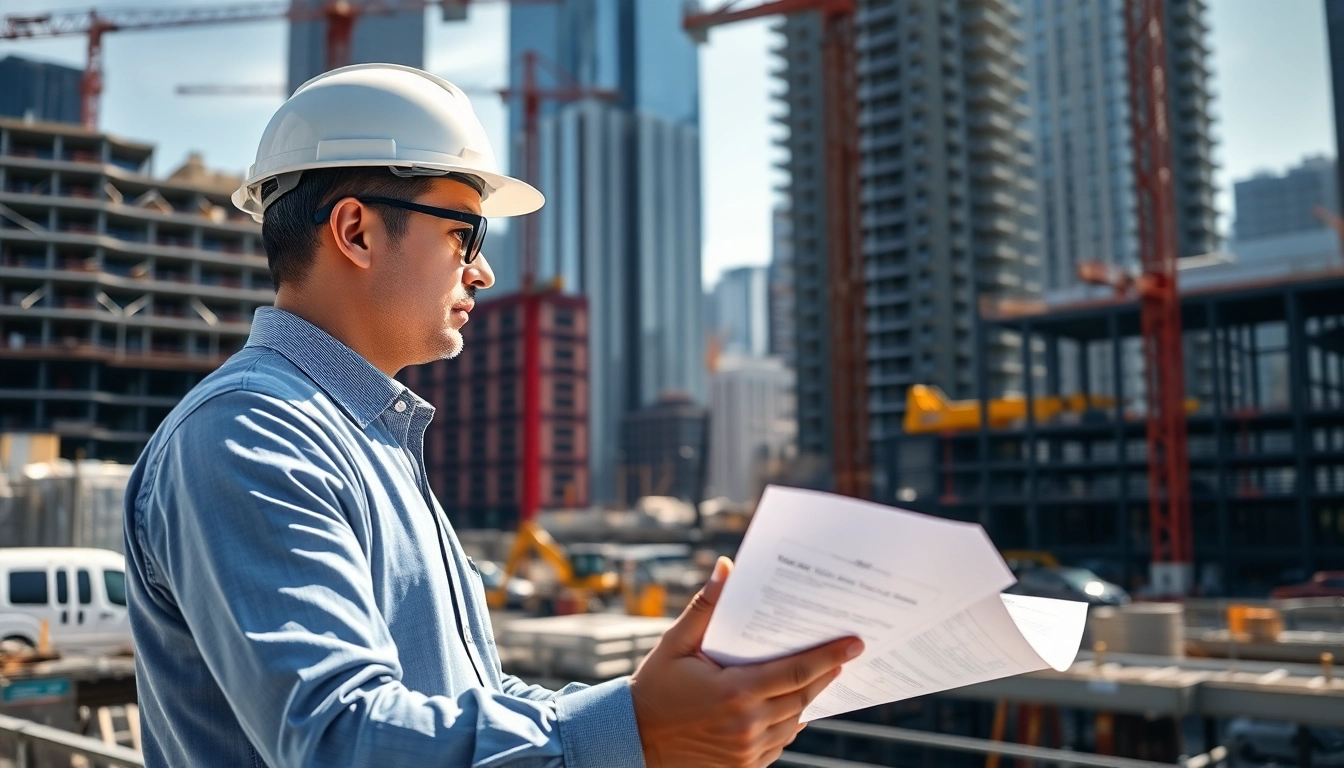
Effective Strategies for a Manhattan Construction Manager to Drive Project Success
Understanding the Role of a Manhattan Construction Manager
The position of a Manhattan Construction Manager encompasses a myriad of responsibilities that demand both technical proficiency and strong leadership skills. The construction manager serves as a vital link between stakeholders, ensuring effective communication while overseeing various aspects of project execution. This article delves into the key responsibilities, essential skills, and the importance of communication in this critical role.
Key Responsibilities and Tasks
A Manhattan Construction Manager is tasked with a range of responsibilities to ensure projects are completed on time, within budget, and meet quality standards. Key tasks include:
- Project Planning: Developing detailed project plans that outline timelines, resources, and budgets.
- Coordination: Collaborating with architects, engineers, and contractors to facilitate a smooth workflow.
- Quality Control: Implementing inspection processes to maintain construction standards and safety protocols.
- Resource Management: Allocating materials and equipment efficiently to optimize productivity.
- Regulatory Compliance: Ensuring all work adheres to local, state, and federal regulations.
Essential Skills for Success
To excel as a Manhattan Construction Manager, individuals must possess a diverse skill set that combines technical and interpersonal abilities. Some essential skills include:
- Leadership: The ability to lead teams and manage various stakeholders effectively.
- Analytical Skills: Competency in analyzing data to make informed decisions.
- Negotiation: Strong negotiation skills to advocate for project needs.
- Problem-Solving: Proactively addressing challenges and finding solutions.
- Technical Knowledge: Understanding construction methodologies and building codes.
Importance of Communication
Effective communication is foundational to the success of any construction project. A Manhattan Construction Manager must establish clear lines of communication not only with their team but also with clients and subcontractors. Clear communication helps in:
- Minimizing misunderstandings and ensuring everyone is on the same page.
- Facilitating timely decision-making, which is crucial during critical phases of construction.
- Building trust and maintaining relationships among team members and stakeholders.
Best Practices for Project Management
Project management in construction requires meticulous planning and execution. Here are some best practices that a Manhattan Construction Manager should prioritize.
Planning and Scheduling
An effective project begins with detailed planning that encompasses timelines, resource allocation, and task delegation. Tools such as Gantt charts and critical path method (CPM) diagrams can facilitate robust project schedules, ensuring that each aspect of the project aligns with the overall objectives.
Budget Management Techniques
Financial oversight is paramount in construction projects. Utilizing budgeting software and financial management tools allows a Manhattan Construction Manager to track expenses, manage cash flow, and identify potential cost overruns early on. Implementing a strong budgeting process ensures resources are allocated effectively.
Risk Assessment and Mitigation
Construction projects are subject to numerous risks, from natural disasters to supply chain disruptions. A proactive risk assessment strategy involves identifying potential risks, evaluating their likelihood and impact, and developing contingency plans. Regular risk reviews allow for adapting to new challenges as they arise.
Building Strong Teams
Effective teamwork is crucial for the success of any construction project. A Manhattan Construction Manager plays a significant role in building and nurturing strong teams.
Hiring Qualified Personnel
Attracting and hiring the right talent can significantly influence project outcomes. Recruitment strategies should focus on seeking individuals with not only technical skills but also the right cultural fit for the team. This could involve streamlined interview processes and thorough reference checks.
Fostering Collaboration
Creating an environment that encourages collaboration among team members promotes synergy and enhances productivity. Regular meetings, brainstorming sessions, and collaborative tools can help cultivate a collaborative culture where all voices are heard.
Maintaining Team Morale
A motivated team is often a more productive team. Implementing initiatives such as recognition programs and professional development opportunities can boost morale and retention rates. Providing a positive workplace culture is essential in keeping team members engaged.
Leveraging Technology and Tools
In an increasingly digital world, leveraging technology is critical for project efficiency. A Manhattan Construction Manager can use various tools to enhance project management.
Construction Management Software
Modern construction management software can streamline operations, from project planning to reporting. These tools provide platforms for tracking progress, managing resources, and collaborating in real time, offering managers insights into project status at any point.
Innovations in Project Documentation
Digitizing project documentation reduces paper waste and enhances accessibility. Cloud-based solutions allow teams to share documents seamlessly and maintain version control, ensuring that everyone has access to the latest information.
Tracking Progress with Data Analytics
Data analytics can play a vital role in tracking project progress. By analyzing performance metrics, a Manhattan Construction Manager can identify trends, project variances, and areas for improvement, allowing for data-driven decision-making.
Evaluating Project Performance
Post-project evaluations are essential for continuous improvement. A Manhattan Construction Manager must develop criteria to assess project success accurately.
Setting KPIs for Success
Key Performance Indicators (KPIs) help measure aspects of project success such as schedule adherence, budget management, and quality standards. Establishing clear KPIs at the project’s outset provides a benchmark against which performance can be measured.
Conducting Post-Project Reviews
Post-project reviews allow teams to reflect on what was successful and what can be improved for future projects. This process should involve gathering input from all stakeholders and analyzing project data to identify lessons learned.
Adjusting Strategies for Future Projects
Insights gained from evaluations can guide the strategic direction of future projects. Adjustments to processes, tools, or team structures based on past performance can lead to improved outcomes and efficiencies in future endeavors.
Frequently Asked Questions
What qualifications are needed for a Manhattan Construction Manager?
A Manhattan Construction Manager typically requires a degree in construction management, civil engineering, or a related field, along with relevant experience and certifications like PMP or CCM.
How does a construction manager ensure project stays on budget?
By implementing strict financial controls, regularly monitoring expenditures, and revising budgets based on project progress, a construction manager can help keep projects on track financially.
What technologies are essential for modern construction management?
Key technologies include construction management software, building information modeling (BIM), and mobile apps for real-time communication and tracking.
How can a construction manager build an effective team?
By hiring qualified personnel, fostering an inclusive culture, and maintaining open lines of communication, a construction manager can build a cohesive and effective team.
What metrics are most important for evaluating construction project success?
Critical metrics include budget adherence, schedule compliance, quality of work, and stakeholder satisfaction, which help gauge project outcomes effectively.