8 Overlooked Deruta Pottery Features Worth Knowing in 2026
Understanding Deruta Pottery
Deruta pottery, a hallmark of Italian craftsmanship, encapsulates the rich heritage and artistry that Italy is renowned for. Nestled in the heart of Italy’s Umbria region, this type of ceramic ware has not only stood the test of time but has also evolved into a celebrated symbol of beauty and functionality. When exploring options, Deruta pottery offers a unique blend of tradition and modernity, making it a coveted choice for collectors and decorators alike.
What is Deruta Pottery?
Deruta pottery, also known as Deruta ceramics, is a traditional form of earthenware originating from the town of Deruta, Italy. Characterized by vibrant colors and intricate patterns, Deruta pottery is primarily made from clay and is often adorned with designs that reflect the region’s artistic heritage. The pottery is typically glazed, making it suitable for both decorative and practical purposes.
The History Behind Deruta Pottery
The history of Deruta pottery dates back to the Renaissance period, where it played a pivotal role in the cultural tapestry of Italy. Initially influenced by Arabic ceramics, the artisans of Deruta began developing their unique styles in the 15th century. Over the years, Deruta has become synonymous with high-quality ceramics, attracting the attention of artists and enthusiasts around the world.
How Deruta Pottery is Made
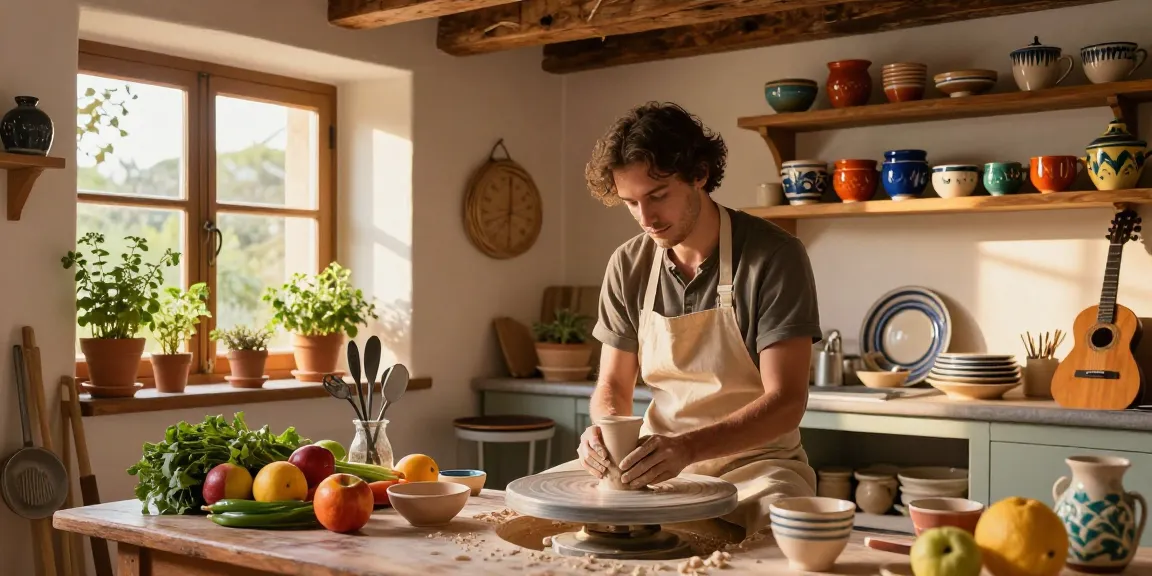
The creation of Deruta pottery is a meticulous process. Artisans start with local clay, which is shaped by hand or thrown on a potter’s wheel. After the initial shaping, the pieces are dried and fired in kilns to ensure durability. Once fired, they are hand-painted with distinctive designs, often inspired by nature or folklore, before undergoing a second firing to set the glaze. This intricate process ensures that each piece is unique and of the highest quality.
Unique Characteristics of Deruta Pottery
Distinctive Colors and Patterns
One of the most striking aspects of Deruta pottery is its vivid color palette. Common hues include cobalt blue, bright yellow, and deep green, each creating a lively contrast against the clay’s natural tones. Additionally, the patterns found on Deruta pottery are often complex and symbolic, showcasing elements such as floral motifs and geometric shapes that tell a story of their origin.
Materials Used in Deruta Pottery
High-quality clay is essential for crafting Deruta pottery. The clay is typically sourced from the surrounding regions, rich in minerals that contribute to its unique firing properties. Furthermore, the glazes used are derived from natural pigments, ensuring that the colors remain vibrant even after extensive use.
Comparing Deruta to Other Italian Ceramics
While there are many forms of Italian ceramics, such as Maiolica from Florence and Capodimonte from Naples, Deruta stands out for its combination of craftsmanship and artistic expression. Unlike Maiolica, which often employs a tin oxide glaze for an opaque finish, Deruta pottery maintains a translucent quality that highlights the clay’s texture and the intricacy of its designs.
Choosing the Right Deruta Pottery
Factors to Consider When Buying
When selecting Deruta pottery, there are several factors to consider. Authenticity is critical; always look for reputable sellers who can guarantee the origin of their products. Additionally, consider the functionality of the piece—whether it is intended for display or practical use—since this can influence the choice of design and size.
Popular Types of Deruta Pottery
Deruta pottery comes in various forms, from plates and bowls to vases and decorative tiles. Each item offers a unique application of the traditional designs, catering to both collectors and homeowners. Among the most popular pieces are dinnerware sets that combine both beauty and utility.
How to Authenticate Deruta Pottery Pieces
To ensure you are purchasing genuine Deruta pottery, check for signatures or stamps indicating the artist or manufacturer. Original pieces often carry markings that authenticate their origin. Additionally, familiarize yourself with the typical colors and patterns of Deruta pottery to differentiate it from replicas.
Care and Maintenance of Deruta Pottery
Cleaning and Care Tips
Taking care of Deruta pottery involves gentle handling and specific cleaning practices. Handwashing is recommended to preserve the vibrant colors and intricate patterns. Avoid abrasive cleaners or scrubbers, as these can damage the glaze. Instead, use a soft cloth and mild detergent to clean the surfaces.
Common Misconceptions About Durability
A common misconception about Deruta pottery is that it is fragile due to its decorative nature. In reality, when properly cared for, these pieces are quite durable and can last for generations. They are designed not only for decoration but also for everyday use, and many are resistant to chipping and fading.
Preserving the Beauty of Your Pottery
To keep your Deruta pottery looking its best, store items in a safe location away from direct sunlight and extreme temperatures. Regularly inspect for any signs of wear and handle them carefully to avoid accidents. By following these simple care routines, you can ensure that your pottery remains a cherished part of your home decor.
Trending Uses for Deruta Pottery in 2026
Incorporating Deruta Pottery into Home Decor
In 2026, Deruta pottery is making waves in home decor trends. Its bold colors and intricate designs can complement a variety of interior aesthetics, from rustic farmhouse to modern chic. Displaying pieces on shelves or as centerpieces can add a touch of elegance and Italian flair to any space.
Using Deruta Pottery for Everyday Dining
More than just decorative items, many are embracing Deruta pottery for everyday dining. The durability and beauty of these pieces make them ideal for entertaining or casual family meals. Utilizing a full set of Deruta dinnerware not only elevates the dining experience but also celebrates Italian cultural heritage at the table.
Collecting Deruta Pottery: A Growing Trend
As more people discover the beauty and quality of Deruta pottery, collecting it has become a popular pastime. Enthusiasts often seek out rare pieces or specific patterns to enhance their collections. Joining communities and attending exhibitions can provide valuable insights and opportunities to connect with other collectors.
What makes Deruta pottery unique?
Deruta pottery’s uniqueness lies in its handcrafted tradition, vibrant colors, and the stories represented in its designs. Each piece reflects the skills passed down through generations, making it more than just tableware—it’s a piece of Italian history.
How can I tell if my Deruta pottery is authentic?
Authenticity can be verified through markings, the craftsmanship quality, and an understanding of common patterns. Researching reputable sources can greatly aid in distinguishing genuine Deruta pottery from imitations.
What are the benefits of using Deruta pottery?
Using Deruta pottery enhances the dining experience through its aesthetic appeal and quality durability. Additionally, incorporating these pieces promotes cultural appreciation and supports traditional artisanship.
How should I clean and maintain my Deruta pottery?
To maintain its beauty, clean Deruta pottery with mild soap and a soft cloth. Avoid hot water and abrasive materials that can lead to damage. Proper storage and handling will prolong the life of your ceramics.
Where can I find the best Deruta pottery?
The best places to find authentic Deruta pottery include specialized ceramics stores, artisan markets, and reputable online retailers. Always verify the source to ensure you are purchasing genuine pieces.